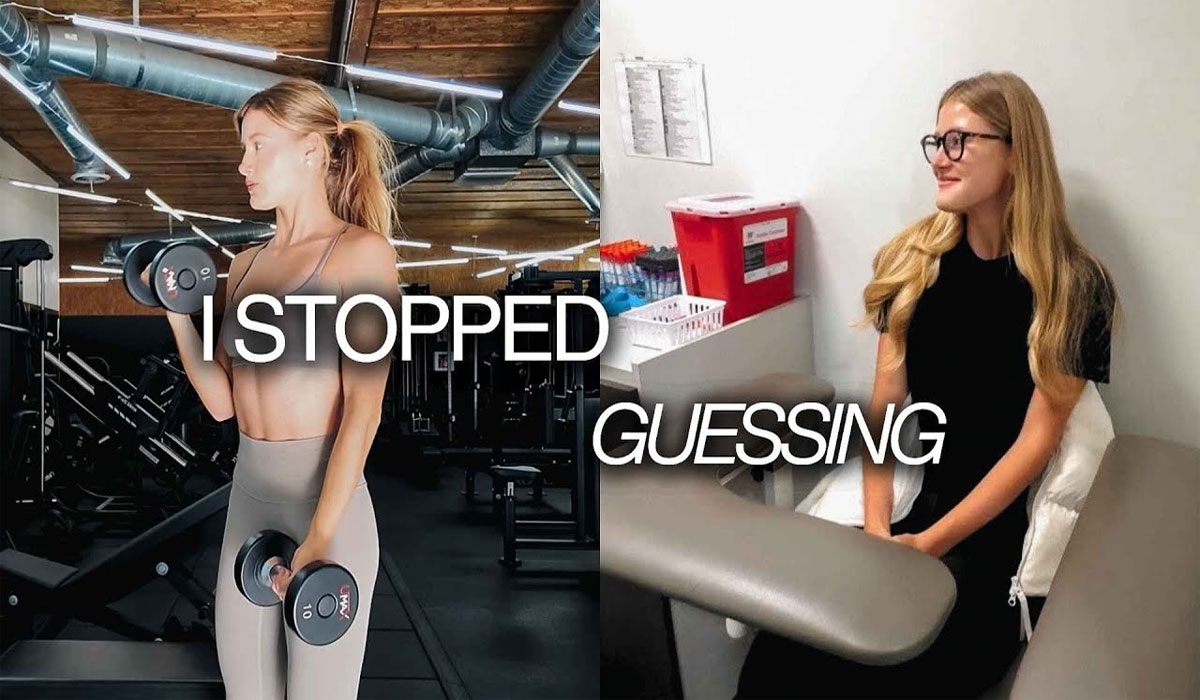
Active Lifestyle Secrets Revealed What Fitness Experts Won’t Admit
An active lifestyle seems simple and inspiring, yet behind the scenes, fitness experts know secrets that rarely reach the public.
These include the challenges, sacrifices, and little known strategies that make it truly sustainable, from managing fluctuating energy levels and optimizing nutrition to balancing intense workouts with rest and recovery. They must also cultivate mental resilience to overcome setbacks and stay consistent. Read more only at Open Air Collective.
The Myth Of Constant Energy
Many believe that living an active lifestyle means feeling energized and motivated every day. Social media and fitness influencers often reinforce this idea by showing people constantly in motion, from morning runs to intense gym sessions. It creates the impression that being active is effortless and always enjoyable.
In reality, maintaining an active lifestyle requires discipline and consistency, even when energy levels are low. Fatigue, stress, and lack of motivation are natural parts of the process, yet they are rarely shown in the glossy depictions of fitness life. Understanding this helps people approach activity with realistic expectations.
Moreover, the idea of constant energy can lead to guilt or frustration for those who struggle to keep up. Accepting that rest and recovery are essential components of activity is crucial, as it prevents burnout and promotes sustainable habits.
The Hidden Role Of Nutrition
An active lifestyle is often associated with exercise alone, but nutrition plays an equally critical role. Many people underestimate how much the body relies on proper fuel to perform and recover. Without balanced meals, vitamins, and hydration, even the most rigorous routines can yield limited results.
Furthermore, nutrition influences energy, mood, and overall motivation. People who overlook diet often feel discouraged when they fail to achieve their goals, thinking their effort is insufficient, when in reality, their bodies are simply not getting the support they need.
In addition, modern trends can mislead individuals into following fads rather than science-backed approaches. Supplements, extreme diets, and quick-fix meal plans may promise rapid results, but they often do not provide the sustainable benefits that a consistent, well-rounded diet offers.
Also Read: Astonishing Secrets Of Active Living That Will Blow Your Health Expectations
The Importance Of Mental Resilience
An active lifestyle is not just physical; it is deeply connected to mental resilience. Overcoming obstacles, pushing through discomfort, and maintaining consistency require mental strength as much as physical stamina. Many people overlook this aspect and focus solely on visible progress.
Mindset influences every activity, from sticking to a routine to enjoying movement. Developing resilience allows individuals to navigate setbacks, injuries, or periods of low motivation without abandoning their active lifestyle entirely.
Additionally, mental health benefits are sometimes overshadowed by the emphasis on aesthetics or performance. Recognizing the connection between activity and mental well-being fosters a healthier relationship with movement, making it a sustainable part of life rather than a source of stress.
Recovery And Balance Are Non-Negotiable
Recovery is perhaps the most underestimated element of an active lifestyle. Rest days, sleep, stretching, and low-impact activities are essential for preventing injuries and promoting long-term progress. Without proper recovery, enthusiasm can quickly turn into overtraining and exhaustion.
Moreover, balance extends beyond physical recovery. Social life, hobbies, and work commitments also contribute to a sustainable routine. Ignoring these factors can make an active lifestyle feel like a burden rather than an enjoyable practice.
In addition, integrating balance encourages consistency. Understanding that activity does not have to be extreme or constant allows people to maintain their lifestyle over the long term, enjoying both the physical and mental benefits without unnecessary pressure.
Image Source:
- First Image from m.jpnn.com
- Second Image from jambilink.id