Why Camping and Adventure Can Change the Way You Experience Nature
Discover how adventure and adventure can change the way you enjoy nature and the physical, mental, and social benefits of outdoor activities.
From hiking and whitewater rafting to nighttime campfires, learn how these activities improve fitness, foster teamwork, build self-confidence, and foster environmental awareness. With fun tips and inspiration, your camping and adventure experiences will be more memorable, educational, and unforgettable.
Watch and keep following the latest and most viral information only on Open Air Collective.
What is Camping and Adventure?
Camping and adventure are outdoor activities that combine the experience of staying in a tent or in a natural setting with exploration activities, such as hiking, rock climbing, whitewater rafting, or mountain biking. These activities aim to provide a fun yet challenging experience, allowing participants to develop physical and mental skills.
Beyond mere entertainment, these activities teach participants to live independently and responsibly. They learn to manage equipment, cook outdoors, and maintain a clean environment. These hands-on experiences foster a greater appreciation for nature and an understanding of the importance of preserving ecosystems.
Camping adventures also help participants learn about themselves. Facing challenges in the outdoors, such as extreme weather, difficult terrain, or the darkness of night, tests physical and mental endurance. This fosters self-confidence, perseverance, and problem-solving skills that are useful in everyday life.
The Purpose of Camping and Adventure
One of the main goals of camping and adventure is to improve social skills and teamwork. Group activities, such as building a tent together, navigating, or playing outdoor games, improve participants’ communication, coordination, and leadership skills. These activities create valuable experiences that can build solidarity and cohesiveness within a group.
Furthermore, camping aims to foster a love and care for nature. Participants learn to keep the campsite clean, respect flora and fauna, and minimize negative impacts on the environment. This kind of environmental education is crucial for fostering a generation that is ecologically aware and responsible for the earth.
Another goal is self-development and health. Physical activities in the outdoors, such as trekking, rock climbing, or swimming in rivers, improve physical fitness. Furthermore, camping also helps participants reduce stress, improve focus, and balance emotions because they are away from the city routine.
Popular Activities in Camping and Adventure
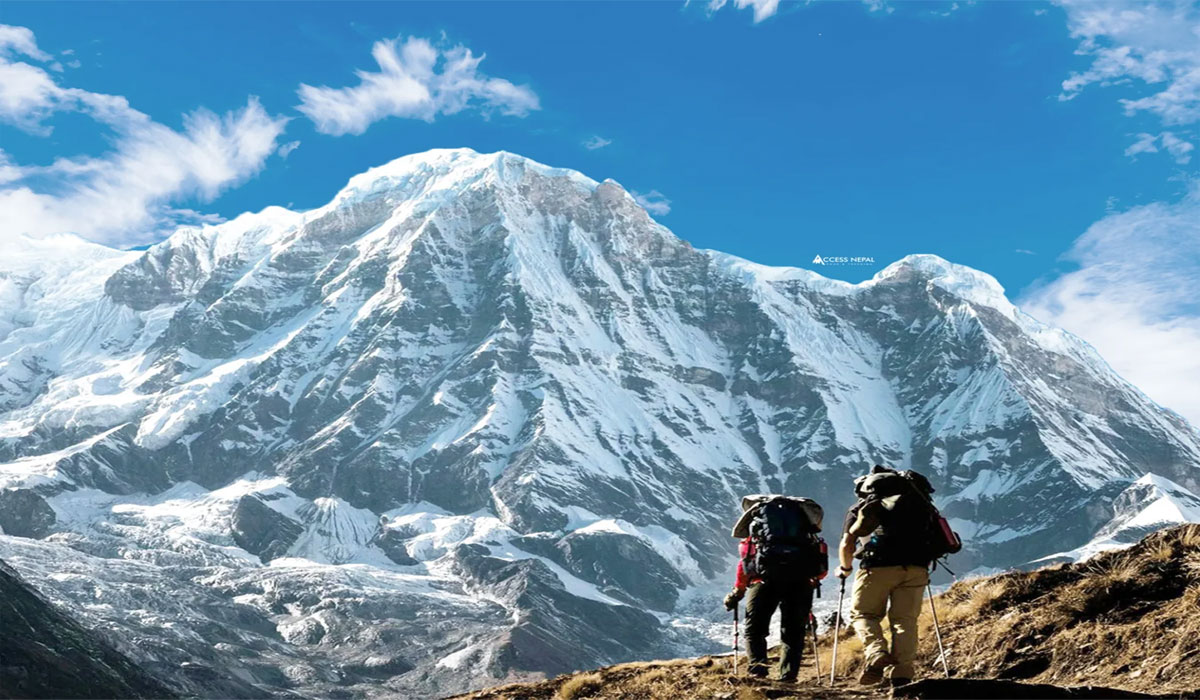
Various activities can be enjoyed in camping and adventure. Hiking or trekking are popular because they allow participants to explore natural scenery while exercising. Trekking routes are usually challenging, adrenaline-pumping, and offer stunning views.
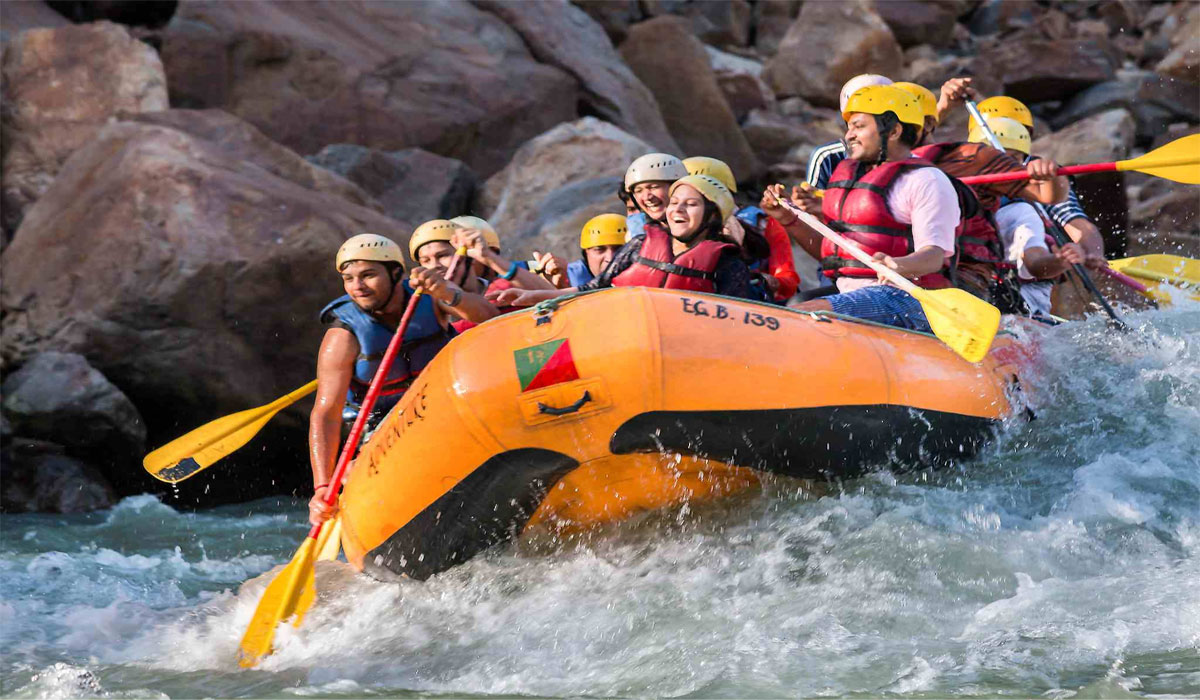
Furthermore, water activities such as whitewater rafting, kayaking, or swimming in lakes and rivers add to the excitement of the adventure. These activities teach participants about water safety, teamwork, and courage in facing physical challenges.
Nighttime activities like campfires, storytelling, or stargazing are equally popular, providing a deeply emotional experience. These social interactions and reflective activities help participants bond with one another and create unforgettable memories.
Benefits of Camping and Adventure
Camping and adventure have many benefits, both physical, mental, and social. Physically, outdoor activities improve fitness, endurance, and motor coordination. Participants who regularly participate in these activities are usually healthier and more energetic.
Mentally, camping helps reduce stress, improve focus, and develop problem-solving skills. Facing challenges in the outdoors trains participants to think creatively, adapt to new situations, and find practical solutions.
Image Source:
- First Image from
- Second Image from